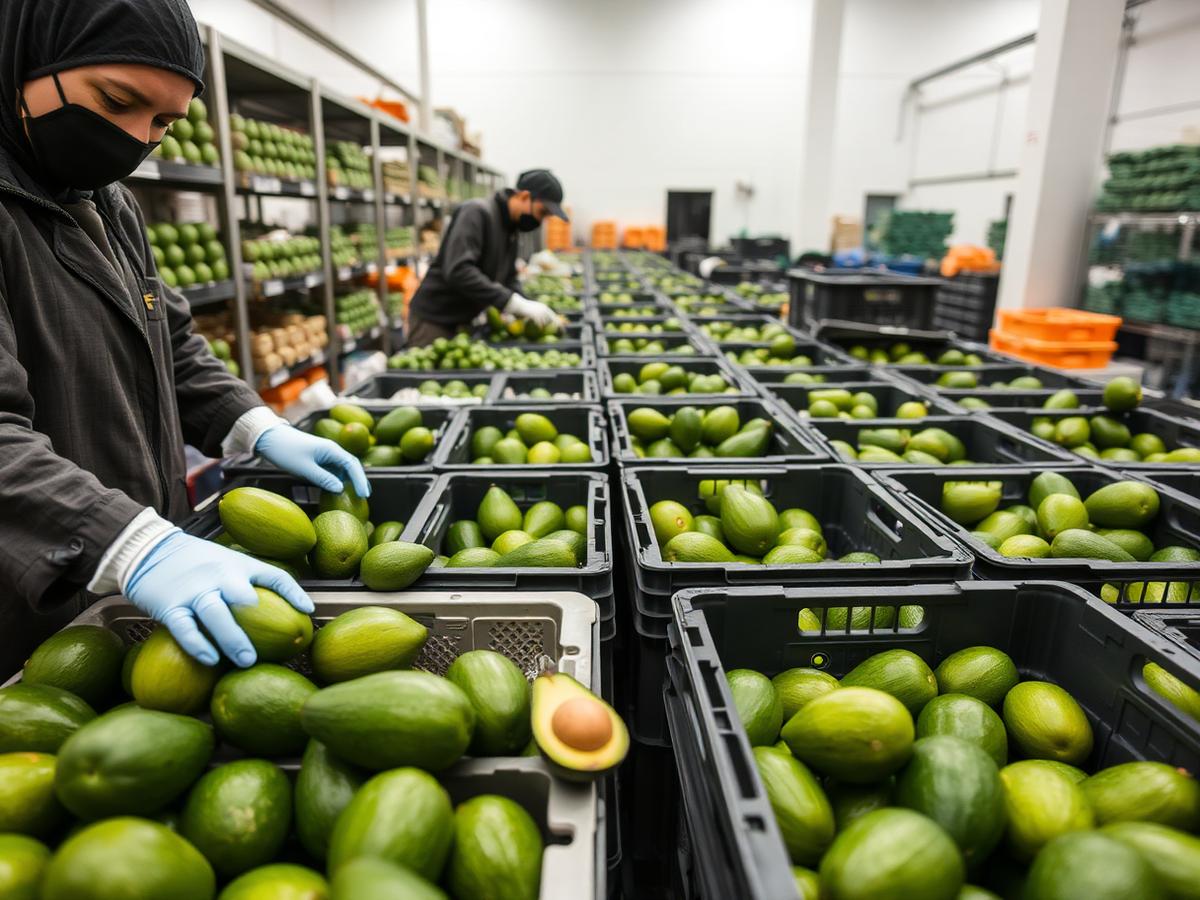
Sorting and packing produce for market
Market Access

One Association, Markets in Tanzania and Internationally

NSHDA markets produce in Tanzania and internationally. We connect farmers from every corner of Tanzania and beyond — the Southern Highlands, the Northern zone, the Lake zone, the coast and the central regions — to buyers in Dar es Salaam, Arusha, Mwanza, Dodoma, Mbeya and Zanzibar, as well as to processors, hotels, supermarkets, wholesalers, exporters and institutional buyers inside Tanzania and outside Tanzania. Wherever your farm is, and whatever season your crop matures in, we work to match your produce with a buyer who is ready to pay for quality.
Market Access

Why Our Market Work Feels Different

Many organisations promise farmers a market. In practice, most of them stop at introductions: a phone number, a buyer name, a WhatsApp group, and the farmer is left alone to negotiate, transport, and hope. We work the other way round. We start from the buyer's real requirement — volume, variety, size, moisture, packaging, delivery window and price ceiling — and then build the farmer side to meet it. That includes buyers in Tanzania and buyers outside Tanzania. Nothing about the process is left to luck, and nothing is left without a sales plan.

We find the buyer first

Before a farmer harvests, we already know who is likely to buy, in Tanzania or outside Tanzania, at what specification and in which weeks. Production is planned towards a real order, not towards hope, so the crop is positioned for sale from the start.

We stay in the middle of the deal

We do not hand over a phone number and disappear. NSHDA remains present through negotiation, grading, loading and payment follow-up, so the farmer is never facing a big buyer alone.

We aggregate small farms into serious volume

A single smallholder rarely fills a truck. By grouping farmers with the same crop, grade and harvest window, we turn scattered small harvests into the consistent volume that commercial buyers actually sign for.

We protect quality, because quality protects price

Rejection at the gate is the most expensive thing that can happen to a farmer. Field-level grading, sorting and handling discipline mean produce arrives in the condition the buyer expects and the agreed price holds.

How It Actually Works

From Your First Call to Your Produce Being Sold

This is the full path a farmer walks with NSHDA — nothing hidden, no vague promises. Every step below happens before money changes hands, and you always know which step you are on.

  1. 1

    You contact us

    You call, message or visit the association. You tell us where your farm is, what you grow or want to grow, roughly how much land you have, and what problem is hurting you most — price, buyers, quality, or knowledge. There is no paperwork at this stage. It is a conversation.

  2. 2

    We listen and profile your farm

    We record the essentials: crop, variety, acreage, expected harvest window, current yield, distance to the nearest road, and how your produce is handled today. This profile is what allows us to match you to a buyer instead of guessing.

  3. 3

    We visit or assess the field

    Where possible we come to the farm; where distance makes that hard, we assess through photos, measurements and local coordinators. We look at soil condition, tree or crop health, spacing, water, and the practices already in use — and we tell you honestly what stands between your produce and a premium buyer.

  4. 4

    We agree a production and quality plan

    Together we set the target: the grade to aim for, the practices to adopt, the harvest window to hit, and the volume you can realistically deliver. You receive practical guidance on Good Agricultural Practices, and you know exactly what the market will reward and what it will reject.

  5. 5

    We search and negotiate on your behalf

    While your crop is still growing, we are working the buyer side: processors, exporters, wholesalers, supermarkets, hotels and institutional buyers across Tanzania. We present your profile and your grade, compare offers, and push for the best terms — price, payment timing, and who carries transport.

  6. 6

    We group, grade and prepare the consignment

    At harvest we bring farmers together so volume, grade and packaging are consistent. Produce is sorted, graded and prepared to the buyer's specification, and only what meets the standard is loaded — protecting both your price and the association's word.

  7. 7

    We close the sale and follow the payment

    The consignment moves, the buyer receives, and we stay on the deal until payment reaches the farmers. Then we review what worked, what cost you money, and what to change next season — because our aim is a farmer who sells well every year, not once.

You are never charged to have a conversation with NSHDA. Terms of any working arrangement are discussed openly with you, in your language, before anything is agreed.

Starting Is Simple

Call or email the association and describe your farm. That first conversation costs nothing and commits you to nothing. If there is a way we can help you sell better, we will tell you plainly — and if there is not, we will tell you that too.

Contact NSHDA